
The evolution of assistive technology has significantly expanded the possibilities for personal movement and independence. An electric wheelchair, often referred to as a powerchair, is a motorized mobility device propelled by an electric power source—typically rechargeable batteries—and navigated through an interface such as a joystick. Unlike manual wheelchairs that rely on upper-body strength or an attendant, these devices utilize electromechanical systems to facilitate travel over various terrains. This article provides a neutral, technical exploration of the subject, addressing the mechanical components, the biological impact on the user, and the safety standards governing their use. The discussion will move from a breakdown of the physical hardware to the core electronic mechanisms, followed by a comparison of different drive systems and a look into future innovations. By following this structured path, readers can gain a factual understanding of the engineering and utility of powered mobility.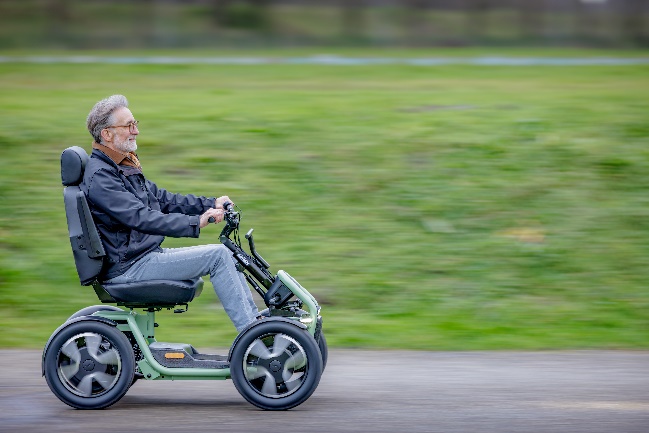
Core Components and Structural Design
An electric wheelchair is an integrated system of mechanical and electronic parts designed to provide stable support while allowing for precise movement. The design of these machines varies depending on whether they are intended for indoor agility or outdoor durability.
The primary hardware assemblies include:
- The Chassis (Frame): The structural base, usually made of steel, aluminum, or carbon fiber, which houses the batteries and motors while supporting the seat.
- The Drive System: This consists of the electric motors (usually DC) and a gearbox that converts high-speed motor rotation into the high-torque movement needed to turn the wheels.
- The Power Source: Rechargeable deep-cycle batteries. While Lead-Acid batteries have been the standard, Lithium-ion versions are increasingly common due to their energy density.
- The Control Input: A joystick or alternative input device (such as head-arrays or sip-and-puff systems) that translates user intent into electrical signals.
- The Seating Interface: Ergonomically designed cushions and supports that can often be adjusted electronically to change the user's center of gravity or posture.
Power Conversion and Electronic Control Systems
The movement of an electric wheelchair is a result of sophisticated energy management where electrical energy is transformed into controlled mechanical force.
1. Electromechanical Propulsion
When the joystick is moved, it sends a signal to the Power Controller. This component acts as the brain of the chair, drawing the appropriate amount of current from the batteries and distributing it to the motors. The motors then drive the wheels through a transaxle.
2. Speed and Torque Regulation
Most modern powerchairs use "Pulse Width Modulation" (PWM). Instead of lowering the voltage to slow down, the controller turns the power on and off thousands of times per second. The longer the "on" cycle, the faster the motor spins. This allows the chair to maintain high torque (power) even at very low speeds, which is essential for climbing ramps or navigating thick carpets.
3. Automatic Braking Mechanisms
Safety is maintained through an electromagnetic braking system. When the joystick is in the neutral position, a spring-loaded brake remains locked against the motor shaft. Once the joystick is engaged, an electromagnetic coil pulls the brake away, allowing the wheels to turn. This ensures that the chair stays stationary on inclines even if the power is turned off.
Drive Configurations and Comparative Analysis
The maneuverability and performance of an electric wheelchair are largely dictated by the placement of the drive wheels. Different configurations offer distinct advantages depending on the environment.
Technical Comparison of Drive Placements
| Feature | Front-Wheel Drive | Mid-Wheel Drive | Rear-Wheel Drive |
| Turning Radius | Moderate | Smallest (360° on own axis) | Largest |
| Obstacle Climbing | Superior (Pulls over curbs) | Moderate | Moderate |
| Directional Stability | Lower (Requires steering) | Moderate | High (Straight tracking) |
| Indoor Use | Good for tight corners | Exceptional | Challenging |
| Outdoor Use | Good on soft ground | Best on flat pavement | Best for hills/speed |
Maintenance and Operational Standards
- Battery Life Management: To prevent permanent capacity loss, batteries are typically charged daily. Clinical data suggests that "deep discharging" (running the battery to zero) significantly shortens the lifespan of Lead-Acid cells.
- Tire Maintenance: Whether using pneumatic (air-filled) or solid (foam) tires, consistent tread depth is required to ensure effective braking and traction on slippery surfaces.
- Freewheel Mode: Most chairs feature a "clutch" or lever that disengages the motors, allowing the chair to be pushed manually in an emergency.
Global Data and Objective Discussion
Scientific research on electric wheelchairs focuses on both the enhancement of mobility and the long-term physiological considerations for users.
- Prevalence and Need: According to data from the World Health Organization (WHO), approximately 1% of the global population (roughly 80 million people) requires a wheelchair, with a growing percentage utilizing electric models due to aging populations and the prevalence of neuromuscular conditions.
- Safety Statistics: Research published in the Journal of Rehabilitation Research and Development indicates that while powerchairs increase independence, the majority of accidents occur on uneven outdoor surfaces or during transfers. Adherence to ISO 7176 standards ensures that chairs meet specific stability and crash-test requirements.
- Impact on Activity: Studies show that for individuals with limited upper-body strength, electric wheelchairs reduce the "metabolic cost" of mobility. This allows the user to conserve energy for other daily activities, such as social interaction or employment.
- Weight Considerations: A significant factor in the use of electric wheelchairs is their weight. A standard powerchair can weigh between 50kg and 150kg, requiring specialized ramps and vehicle lifts for transport.
Future Technological Advancements
The next generation of electric wheelchairs is moving toward increased autonomy and improved integration with the digital world.
- Smart Obstacle Avoidance: Utilizing LiDAR and ultrasonic sensors—similar to those found in self-driving cars—to prevent collisions in crowded or tight environments.
- Gaze and Brain-Computer Interfaces (BCI): Research is underway to allow individuals with total paralysis to control their wheelchairs using eye movements or even neural signals.
- Enhanced Battery Chemistry: The transition toward high-capacity Lithium-ion and Solid-State batteries aims to double the travel range while reducing the overall weight of the device.
- Stair-Climbing Capabilities: Innovative designs using clusters of wheels or tank-like tracks are being developed to navigate architectural barriers like stairs and steep curbs.
Frequently Asked Questions
Q: Can an electric wheelchair be used in the rain?
A: Most electric wheelchairs have an "Ingress Protection" (IP) rating. While they are designed to handle light moisture, the electronic joystick and controller are sensitive. Using a weather cover for the controls is a standard safety practice to prevent short circuits.
Q: How long does a typical charge last?
A: The range varies by model and battery size, but most standard powerchairs provide between 15km and 25km (9 to 15 miles) of travel on a single full charge. Factors like hills, cold weather, and the weight of the user can reduce this range.
Q: Is it possible to transport an electric wheelchair in a standard car?
A: Due to the weight and size, a standard trunk is usually insufficient. Users typically require a van with a lift or a specialized hitch-mounted carrier. However, "folding" or "travel" powerchairs are available that disassemble into lighter components.
Q: Do these devices require a license to operate?
A: In most jurisdictions, electric wheelchairs are classified as "medical mobility aid" rather than motor vehicles. They are generally permitted on sidewalks and in pedestrian areas without a license, though speed limits (often around 6-10 km/h) may apply in certain areas.