
Considering orthodontic treatment often raises many questions: What exactly does an orthodontist do? Which treatment option—braces or clear aligners—might be suitable? How long does the process typically take? This guide provides an overview of orthodontic care in Singapore. It covers the role of an orthodontic specialist, common treatment methods such as traditional braces and clear aligners, what to expect during consultations, and factors often considered when planning treatment. The goal is to offer a general understanding of orthodontic care to help individuals navigate their options.
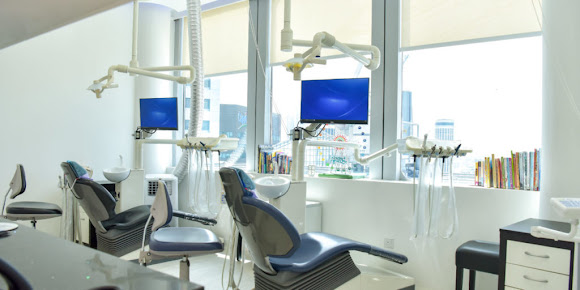
What Does an Orthodontist Do?
An orthodontist is a dental specialist who focuses on diagnosing, preventing, and correcting misaligned teeth and jaws—a condition technically known as malocclusion. This specialty involves managing irregularities such as:
- misaligned teeth
- overcrowded teeth
- gaps between teeth
- overbite or underbite
- jaw alignment concerns
Beyond improving the appearance of a smile, orthodontic treatment aims to positively influence dental health and tooth function. Treatment plans are typically developed after a detailed dental examination and diagnostic imaging.
In Singapore, an orthodontist is a dental professional who has received additional accredited training beyond a basic dental degree. To practise as a specialist, they must be registered with the Singapore Dental Council (SDC). Currently, orthodontics is one of eight recognised dental specialties in the country. These specialists often work in private dental clinics, specialist dental centres, or larger healthcare facilities across Singapore.
Common Orthodontic Treatments in Singapore
Orthodontic treatment approaches vary depending on the complexity of the case and individual preferences.
Traditional Braces
Traditional braces use metal brackets and wires to gradually move teeth into proper alignment. Features may include:
- durable materials
- effective for complex alignment issues
- periodic adjustments by a dental professional
Treatment with fixed braces generally involves periodic adjustments every 4 to 8 weeks. Treatment duration can vary, but many orthodontic treatments last between 12 and 24 months.
Ceramic Braces
Ceramic braces function similarly to metal braces but use tooth-coloured brackets designed to be less visible. They are sometimes chosen by individuals who prefer a more discreet appearance during treatment.
Clear Aligners
Clear aligners are removable trays designed to gradually shift teeth into alignment. Key characteristics include:
- transparent material
- removable during eating and brushing
- periodic replacement with new aligner sets
Not all orthodontic cases are suitable for aligners, so consultation with a dental professional is typically necessary.
Interceptive Orthodontic Treatment
For younger patients, early or "interceptive" treatment may be considered. This approach addresses developing jaw growth and tooth alignment issues in children, sometimes using removable or fixed appliances to guide dental development.
A descriptive study conducted by the National Dental Centre of Singapore analyzed patient records from patients who received early orthodontic treatment. The study included 1324 patients (654 women and 670 men), with a mean age of 10.6 years. The most common dental problem treated was anterior crossbite. The mean treatment duration varied by appliance type: 10.8 months for fixed appliances, 7.5 months for removable appliances, and 10.8 months for a combination of both. The overall success rate of early orthodontic treatment was 75.5%, with a failure rate of 15.0%. The most common cause of failure was poor patient compliance.
The Orthodontic Consultation and Diagnosis
The first step in orthodontic treatment usually involves a consultation and thorough evaluation.
During an initial assessment, a dental professional may perform:
- dental examinations
- digital scans or X-rays
- bite analysis
- treatment planning discussions
Records such as photographs and impressions for plaster study models of the teeth are also often taken to help the orthodontist plan the treatment. In some cases, especially when there is crowding and insufficient space in the jaws, the removal of certain permanent teeth might be part of the overall treatment plan. The consultation helps determine whether orthodontic treatment is recommended and which options may be suitable.
Factors Often Considered When Choosing Orthodontic Care
Individuals researching orthodontic care in Singapore often review several factors before making decisions.
Common considerations include:
Treatment Approach
Different clinics may offer various orthodontic systems and treatment approaches depending on patient needs. This includes options like metal braces, ceramic braces, or clear aligners.
Practitioner's Qualifications
Patients may look for practitioners who have completed specialist orthodontic training and are registered as specialists with the Singapore Dental Council. The use of the title "Orthodontist" is regulated, and only those on the SDC's Specialist Register can use this designation.
Treatment Duration
The estimated treatment timeline may vary depending on case complexity. Fixed braces treatment often takes an average of 2 to 3 years, with regular visits scheduled every 4 to 8 weeks. Interceptive treatments for children may have shorter durations, such as 7 to 11 months on average.
Cost Considerations
Orthodontic treatment costs can vary depending on the treatment type and duration. Clinics typically provide detailed cost estimates after the initial consultation and treatment planning phase.
Maintaining Oral Health During Orthodontic Treatment
Maintaining proper oral hygiene during orthodontic treatment is particularly important. Brackets and wires can create areas where food particles and plaque accumulate, increasing the risk of tooth decay and gum problems if not cleaned effectively.
Common recommendations may include:
- brushing after meals
- flossing regularly using specialised tools like floss threaders
- avoiding certain hard or sticky foods that could damage the braces
- attending scheduled adjustment appointments
Using any prescribed accessories, such as elastics, exactly as instructed is also very important, as failing to do so might slow down or even reverse treatment progress. Following professional guidance can help support effective treatment outcomes.
What Happens After Braces are Removed?
Once active treatment with fixed braces is complete, they will be removed. Following this, a retainer is typically needed to hold the teeth in their new positions. Impressions or moulds of the teeth are taken to create these retainers, which may need to be worn for several years to prevent teeth from shifting back.
When to Consider an Orthodontic Evaluation
An orthodontic evaluation may be considered when individuals notice:
- difficulty biting or chewing
- visibly misaligned teeth
- jaw discomfort
- speech concerns related to tooth positioning
For children, a dental visit by age 1 is often advocated for preventive advice, and monitoring of developing jaw growth and tooth alignment is a routine part of paediatric dental care. Dental professionals can assess these concerns and recommend appropriate next steps if necessary.
Frequently Asked Questions (FAQ)
Q: What is the difference between a dentist and an orthodontist?
A: While a general dentist provides routine dental care like check-ups, fillings, and extractions, an orthodontist is a dental specialist who has completed an additional three years of full-time structured clinical residency training in orthodontics. Their practice is focused specifically on diagnosing and correcting misaligned teeth and jaws.
Q: At what age should a child first see an orthodontist?
A: Monitoring of jaw growth and tooth alignment can begin early. At KK Women's and Children's Hospital, orthodontic services include monitoring for children as part of their care. Interceptive orthodontic treatment is often considered for children, with a study at NDCS showing an average age of around 10.6 years for patients receiving such treatment.
Q: Are clear aligners as effective as traditional braces?
A: Both methods can be effective, but their suitability depends on the specific orthodontic case. Clear aligners are an option for certain types of malocclusion, but not all cases are suitable. A consultation with an orthodontist is necessary to determine which approach is appropriate for an individual's needs.
Q: How long does orthodontic treatment typically take?
A: Treatment duration varies by case complexity and the method used. Fixed braces treatment normally takes about 2 to 3 years. Interceptive treatments for children may be shorter, averaging between 7.5 and 10.8 months depending on the appliance used.
Sources
- https://journals.sagepub.com/doi/pdf/10.1177/2010105820922569
- https://www.researchgate.net/publication/341468132_Interceptive_orthodontic_treatment_in_Singapore
- https://scholarbank.nus.edu.sg/entities/publication/e9685700-6aaa-43be-80df-bcf62e70feb0
- https://www.ndcs.com.sg/news/patient-care/bright-smiles-from-day-one-instilling-good-oral-health-habits-starts-early
- https://www.ndcs.com.sg/our-specialties/orthodontics/all-about-braces
- https://www.sdc.gov.sg/for-professionals/apply-for-registration/for-dental-specialist/
- https://dsab.healthprofessionals.gov.sg/specialist-training/list-of-recognised-specialties/
- https://www.sdc.gov.sg/
- https://isomer-user-content.by.gov.sg/76/66f52b4e-e4c3-4577-98f9-2c431296486a/sdc-circular-on-display-of-titles-designations-qualifications538f5342c94a4bfea6e840bcfe070b27.pdf
- https://www.kkh.com.sg/our-specialties/dental-service
- https://www.healthhub.sg/support-and-tools/support-and-care-programmes/paediatric-dentistry-child-first-visit-dentist
- https://www.nhs.uk/tests-and-treatments/braces-and-orthodontics/
- https://www.nhs.uk/tests-and-treatments/orthodontics/
- https://aaoinfo.org/treatments/aligners/